
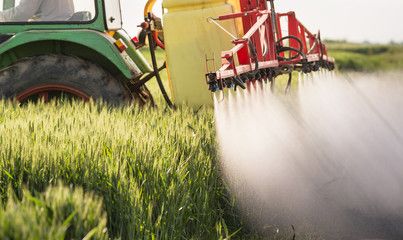
 Irish Water is flagging up a rise in pesticides levels which has seen exceedances in pesticides across certain counties.
Irish Water is flagging up a rise in pesticides levels which has seen exceedances in pesticides across certain counties.
Regulations for pesticides are so stringent that a single drop of pesticide is enough to breach the drinking water limit in a small stream for up to 30 kilometres.
Irish Water is working in partnership with the National Pesticides and Drinking Water Action Group (NPDWAG) and appealing to farmers and other users of pesticides to ensure that best practice measures to protect drinking water quality are always followed.
Efforts to reduce the incidence of detections are being coordinated by the NPDWAG which is chaired by the Department of Agriculture, Food and the Marine. All of the key stakeholders are represented in this group and include other Government departments and agencies; local authorities; industry representative bodies; farming organisations; water sector organisations; and amenity sector organisations.
Andy Boylan, Regional Drinking Water Compliance Specialist at Irish Water commented:
“Irish Water is continuing its extensive investment programme to improve water and wastewater services in Ireland. Providing safe, clean drinking water for all is our first priority. In Ireland, the majority (82 per cent) of drinking water supplies come from surface water sources (water from rivers, lakes and streams). Such supplies are vulnerable to contamination from land and animal run-off.”
Dr Aidan Moody, Chair of the NPDWAG
“The continued engagement of all stakeholders, working in partnership, is needed to tackle this issue. Users of pesticides should make sure that they are aware of the best practice measures that should be followed to protect water quality.”
County which have seen exceedances in pesticide levels include Donegal, Cavan, Galway, Mayo, Monaghan, Waterford, Cork, Kerry, Tipperary and Limerick.
The herbicide MCPA, which is commonly used to kill rushes on wet land, is the main offender. Careless storage, handling or improper application means it can easily end up in drinking water leading to breaches of the drinking water regulations.
Other pesticides detected over the past two years include Cypermethrin, Glyphosate.Picloram and Fluroxypyr.
Irish Water is reminding farmers and professional users of pesticides of the need to follow best practice in the application of pesticides such as MCPA on land, particularly near lakes and rivers used as drinking water sources.


Sign In
